Defending & bringing claims
Assessment of the dispute, preparation of pleadings, demand letters, defence strategy, and advice on the steps required to protect your position.
Contracts · Property · Mortgage disputes · Court proceedings
Civil and commercial disputes can affect your business, property, and everyday life. We work with individuals and businesses to assess the issues, discuss their options, and represent their interests through negotiation and court proceedings.
Scope of work
Assessment of the dispute, preparation of pleadings, demand letters, defence strategy, and advice on the steps required to protect your position.
Preparation for settlement discussions and mediation, with a focus on the outcome you need and the alternatives available.
Preparation and advocacy through court proceedings, including evidence review, discovery, motions, and trial where required.
Representation in property, contract, mortgage enforcement, and mortgage defence matters.
Your next step
A useful first conversation begins with the situation, the key documents, and any upcoming date.
If a deadline or hearing is approaching, call the office directly.
647-619-6207Your team
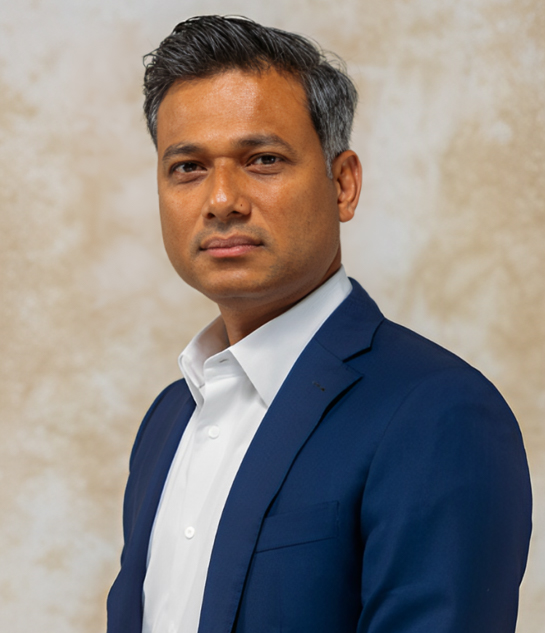
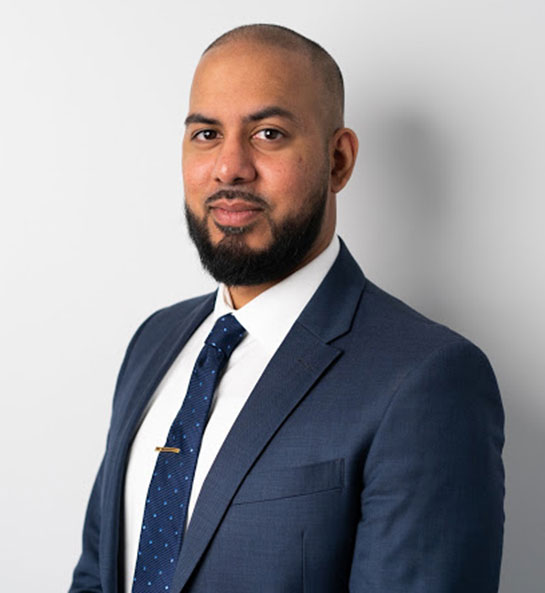
Obaidul Hoque leads our civil and commercial litigation practice. Both Obaidul and Zaheed Moral handle civil litigation matters.
Founding Partner · Barrister & Solicitor
Civil and commercial litigation, mortgage defence, real estate matters, and administrative law.
Founding Partner · Barrister & Solicitor
Criminal defence, civil litigation, real estate matters, and wills and estates.
Common questions
Note when and how you received the documents, keep the complete paperwork, and contact the firm promptly. The response requirements depend on the proceeding and your circumstances.
Some disputes resolve through negotiation or mediation; others require a court decision. The firm can explain the available routes and what each would involve.
The first discussion identifies the central issues, relevant dates, documents, and the result you are seeking. A fuller assessment follows a review of the evidence and the terms of an engagement.
Let’s work together
Tell us about your situation. We will discuss how we can assist.
647-619-6207No obligation to retain the firm. Any representation is confirmed in writing.